
Packing a carry-on for the first time feels like a test you didn't study for. The bag looks small, the trip looks long, and somewhere in the back of your mind is the worry that you'll spend four days in the same shirt. The good news: light travelers don't own secret gear or follow a complicated system. They work from a list, pack the same way every time, and stop second-guessing themselves at the last minute.
What follows is the checklist worth printing and keeping inside your bag. It covers clothing, toiletries, tech, and the small items that quietly ruin a trip when they're missing. Adjust the numbers to your trip length and the weather you're walking into, but keep the structure.
Choose the Bag Before You Choose the Outfit
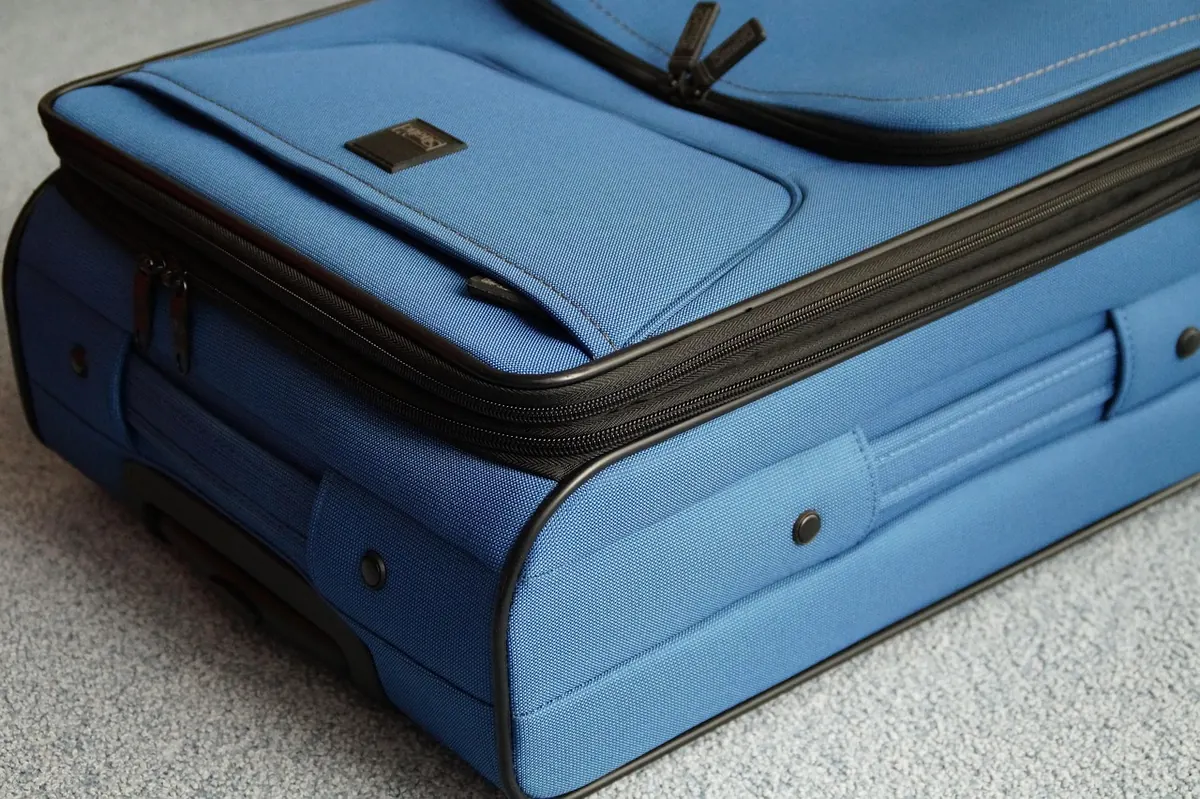
Before a single item goes in, decide what's carrying it. For most trips of three to five days, a soft-sided bag in the 35–40 litre range is the sweet spot: big enough for a real week if you do laundry once, small enough to lift into an overhead bin without drama. Soft bags also squeeze into tight spaces and forgive you when you overpack by a little.
Two things to check before you commit. First, your airline's published cabin dimensions and weight limit — these vary more than people expect, and a bag that passes on one carrier may not on another. Second, whether the bag has a proper shoulder strap or backpack conversion. You will carry it further than you think, through train stations and up stairs.
Packing cubes are optional. If you like order, two or three small ones help. If you don't, they add weight and fuss. Either way, put everything in one bag and nothing in a separate "personal item" you'll have to keep track of.
The Clothing Checklist
The trick to packing light isn't fewer clothes. It's clothes that all work together. Pick one base colour — navy, black, grey, olive — and make sure every top matches every bottom. Suddenly four tops and two pairs of trousers become eight outfits.
- 3–4 tops in quick-drying fabrics. Merino wool and synthetic blends survive a sink wash overnight; heavy cotton does not.
- 2 bottoms, one of which is comfortable enough to sleep in on a night bus or a delayed connection.
- 1 warm mid-layer — a thin fleece or a light sweater. Planes and evening temperatures are colder than the forecast suggests.
- 1 light rain shell if there's any chance of weather. It folds smaller than an umbrella and keeps wind out too.
- Underwear and socks for each day, plus one spare set. These are small; this is where you're allowed to be generous.
- 1 pair of shoes on your feet, 1 packed pair maximum. Shoes are the heaviest thing in any bag. Wear the bulkiest ones on travel day.
- Sleepwear you'd be comfortable being seen in, in case of a shared bathroom down the hall.
- One slightly nicer outfit for the dinner you didn't plan for. A plain shirt or a dark top is enough.
If your trip is longer than five days, don't pack more — plan to wash. A sink, a travel detergent sheet, and a towel roll will get you another four days out of the same bag.
Toiletries: Decant, Don't Duplicate
Toiletries are where light packing quietly falls apart. The full bottle of shampoo weighs nothing at home and everything in a bag. Decant what you need into small containers, or switch to solid versions — shampoo bars, soap bars, toothpaste tablets — which don't leak, don't count against liquid limits, and last for weeks.
Most airports still apply the rule that liquids must be in containers of 100 ml or less and fit inside a single clear bag. Check the current rules for your departure airport and any connection, since they can differ. Then keep your liquid bag at the top of your luggage so security isn't a ten-minute excavation.
- Toothbrush, toothpaste tablets or a small tube, floss
- Solid shampoo or a 50 ml decant, plus a small conditioner
- Deodorant, razor, and a small moisturiser with SPF
- Sunscreen — genuinely expensive to buy on arrival in many places
- Any medication, in its original labelled packaging, in your hand luggage
- A small nail file and a few plasters, if you're prone to blisters
If you take regular medication, keep it with you rather than in a checked bag, bring enough for the whole trip plus a buffer, and carry a copy of your prescription or a doctor's note. For anything health-related — vaccinations, prescription rules at your destination, what you're allowed to bring — check with a pharmacist or doctor rather than relying on a blog.
Tech: Fewer Cables, Fewer Problems
The goal here is one small pouch, not a mobile office. Most people need a phone, a way to charge it, and a way to listen to something. Everything else is negotiable.
- Phone, and one charger with a cable that fits everything you brought
- A power bank — carried in the cabin, never in checked luggage, and within your airline's limit for spare batteries
- A plug adapter if you're crossing borders, not a whole set
- Earphones, ideally wired as a backup for the flight where Bluetooth isn't an option
- An e-reader or the reading app on your phone, instead of two paperbacks
- A small zip pouch to hold it all, so nothing lives loose at the bottom of the bag
Photograph your passport, insurance details, and booking confirmations before you leave, and keep them somewhere you can reach offline. Paper still wins in a dead battery situation, so print the address of your first night's accommodation.
The Things Almost Everyone Forgets
These are the items that never appear on a packing list until you're standing in a queue wishing you had one.
- A pen. Landing cards, customs forms, and rental agreements all want one at the worst possible moment.
- An empty refillable bottle. Fill it after security; you'll drink more and buy less.
- A folding tote or packable day bag for groceries, dirty laundry, and the souvenirs that appear on day four.
- Three or four zip bags. Wet swimwear, leaking bottles, cables, snacks — they solve problems you can't predict.
- A sink plug or a few detergent sheets if you plan to wash anything.
- A light scarf or wrap. Blanket, pillow, sun shield, something to cover your shoulders at a church.
- Spare glasses or contacts, plus a copy of your prescription.
- A basic first-aid kit: plasters, painkiller, anti-diarrhoeal, rehydration salts.
- Snacks. A handful of nuts or a bar has rescued more travel days than any app.
How to Actually Fit It In
Packing is a sequence, not a scramble. Give yourself twenty minutes and do it in this order.
- Lay everything flat on the bed and look at it. This is the moment you notice the fourth pair of trousers.
- Remove roughly a third. If you hesitate over an item, it's staying home.
- Roll soft items into cubes or stuff them into corners. Fold structured things like shirts flat so they don't crease as much.
- Put the heaviest items at the bottom, close to the wheels, so the bag stands up and carries well.
- Keep toiletries and chargers in an outside pocket or right at the top — you'll want them before you want anything else.
- Leave about a fifth of the bag empty. You'll need the room, and a bag that closes without force is a bag you can repack quickly.
- Close it, lift it, and carry it around the room for a minute. If it's awkward now, it will be worse at a station at midnight.
The Night Before You Leave
Do the boring things early so the morning stays calm. Weigh the bag against your airline's limit. Charge everything, including the power bank. Take a photo of your passport and bookings, and put a paper copy of your first night's address somewhere obvious. Lay out your travel-day clothes — the heavier shoes, the warm layer, the jacket you'd rather wear than pack. Put the liquids bag and your documents in one place by the door.
Then print this list, tick what you've packed, and leave the rest alone. The travellers who pack well aren't the ones who own the cleverest gear. They're the ones who stopped opening the bag to check. Pack once, sensibly, from a list you trust — and spend your trip thinking about something more interesting than luggage.
Photo: Efraimstochter / Pixabay