
You know the trip. Three cities in five days, forty photographs, and the faint suspicion that you were somewhere interesting but couldn't say what it felt like. Slow travel is the deliberate opposite of that — not a personality type, not a budget bracket, and not a rule about trains. It is a set of choices about pace and attention, and most of them fit inside an ordinary long weekend. The point isn't to move slowly for its own sake. The point is to come home able to describe a place, rather than just prove you were there.
What slow travel actually means
The word "slow" misleads people. It doesn't mean cycling across a border or refusing to fly. It means slowing the rate at which you consume a place: fewer stops, longer stays, and enough unstructured time to notice what's around you.
The arithmetic makes the difference obvious. Five days across three towns gives you a day and a half each — a main square, a museum, and a meal found on your phone while standing outside it. Five days in one town gives you the same highlights plus a bakery you visit three mornings running and an afternoon where nothing is scheduled. The second trip looks smaller on paper. It is much larger in memory.
Depth isn't something you can squeeze into a tighter schedule. You either give a place time or you don't.
The principles worth keeping
Different people phrase it differently, but most versions come down to a handful of habits:
- Fewer places, longer looks. Cut one destination from the plan and hand its days to the place you keep.
- A rhythm instead of an itinerary. Two or three fixed points a day — a morning walk, one sight, dinner — with space between them.
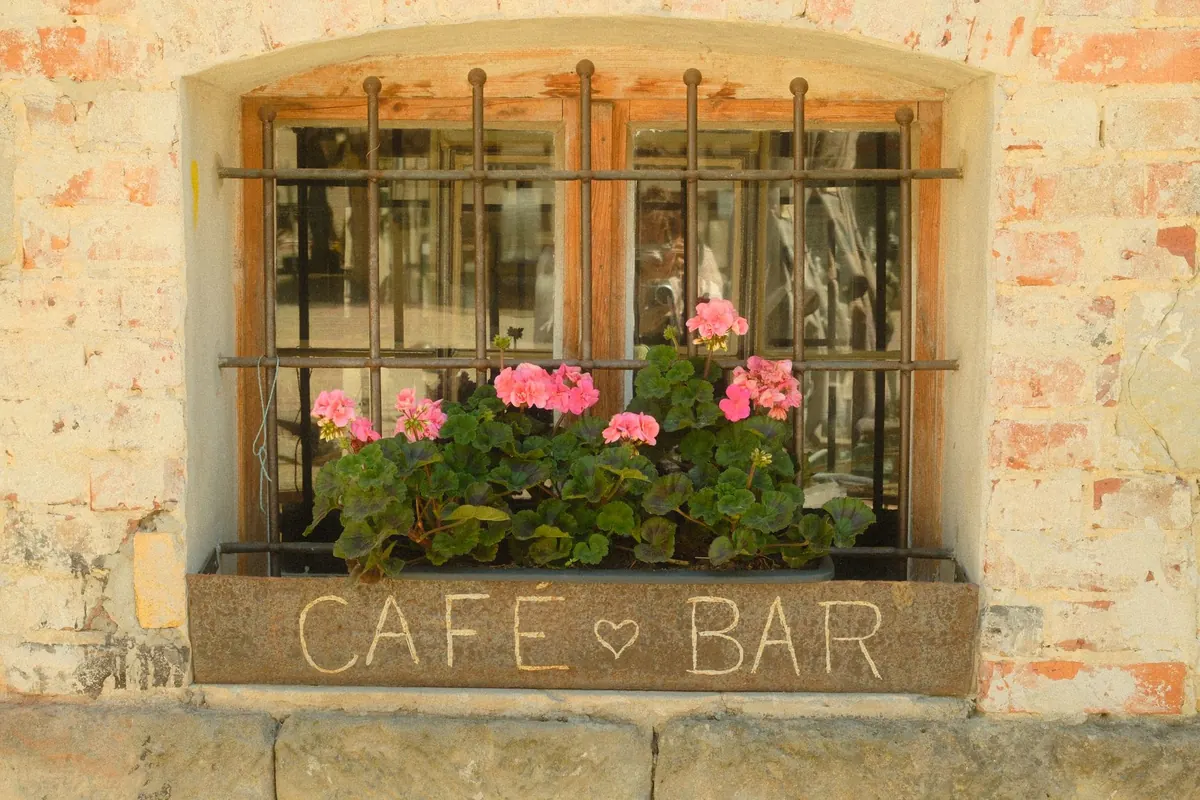
- Repetition. Go back to the same café, the same square, the same bench. The second visit is where somewhere starts to feel like a place rather than a stop.
- Ordinary errands. Buy bread, post a card, find a laundrette. Errands put you in the same queue as everyone else, which is usually where a town reveals itself.
- Unplanned hours, protected. Not leftover time — actual time blocked out and left empty on purpose.
- Leaving something unseen. A reason to come back is not a failure of planning.
None of that costs money. Most of it saves it.
What it doesn't mean
Slow travel has picked up a reputation for smugness, and some of it is deserved. So it's worth being clear about the edges.
It isn't a dislike of famous places. The cathedral is famous because it's extraordinary — go and stand in it. The only ask is that the cathedral doesn't become the entire day.
It isn't a digital detox competition, and it doesn't require a linen wardrobe. You can carry a phone, eat somewhere with a menu in four languages, and still travel slowly, because what's being adjusted is the pace of your attention.
It isn't always pleasant. Some slow days are a wet Tuesday, a closed museum, and a long walk to a bakery that turns out to be shut. Boredom shows up, especially on the first unstructured afternoon, when the habit of being busy starts hunting for something to do. That restlessness isn't proof you've done it wrong. It's usually the moment you begin noticing things.
Applying it to a short trip
Most people don't have three weeks. That's fine — the approach compresses well. A workable method for two or three nights:
- Choose a base and don't move. One bed, one neighbourhood, even if a second town is an hour away. Packing and transit eat more of a short trip than anyone expects.
- Book one anchor per day. A museum, a long walk, a specific meal. Morning or afternoon, not both.
- Walk one neighbourhood twice. Once as the shutters go up, once after dark. The same street at two different hours is two different streets.
- Eat somewhere twice. A return visit turns a transaction into a greeting, and it's the quickest route to a recommendation worth having.
- Block two hours with nothing in them. Sit down, order something small, stay longer than feels efficient.
- Write three lines before bed. What you saw, what surprised you, what you'd tell someone. Three lines is enough to fix a day in place.
If you only do one of these, do the first. Dropping a destination is what gives everything else room to work.
What changes in how you see a place
After a few slower trips, the difference shows up in what you can say about somewhere. On a fast trip you describe sights: the tower, the bridge, the view. On a slower one you describe texture — that the centre went quiet between two and four, that the market was loud until eleven and then suddenly swept and empty, that the person at the bakery started setting your usual aside without asking. None of that is in a guidebook, because it only exists on the third morning.
You also start reading how a place is put together. Where people actually shop. Which streets are commuter routes and which are for lingering. What the local version of a Sunday looks like. That's a skill, and it carries over: the next town, you'll spot the pattern far sooner.
The last change is quieter. When you stop trying to cover a place, you stop feeling behind. There's no list to fail at, no nagging sense of missing something eleven streets away. You're just there, in a town, on a Tuesday, buying bread.
Starting this weekend
Pick somewhere you can reach without much effort — an hour away is plenty. Stay one night. Choose a single thing to do on Saturday and leave the rest of the day alone. Walk the same two or three streets in the morning and again in the evening. Eat lunch somewhere you'd be happy to sit for an hour, and stay for the hour. When the urge to check what else is nearby arrives, and it probably will around three in the afternoon, let it pass and order another coffee.
That's the whole exercise. If the weekend feels slightly under-filled, you've done it correctly. Most of us are so used to fuller being better that a little empty space reads as a mistake at first. Give it a day or two. The details are already starting to stick.
Photo: Sklorg / Pixabay