
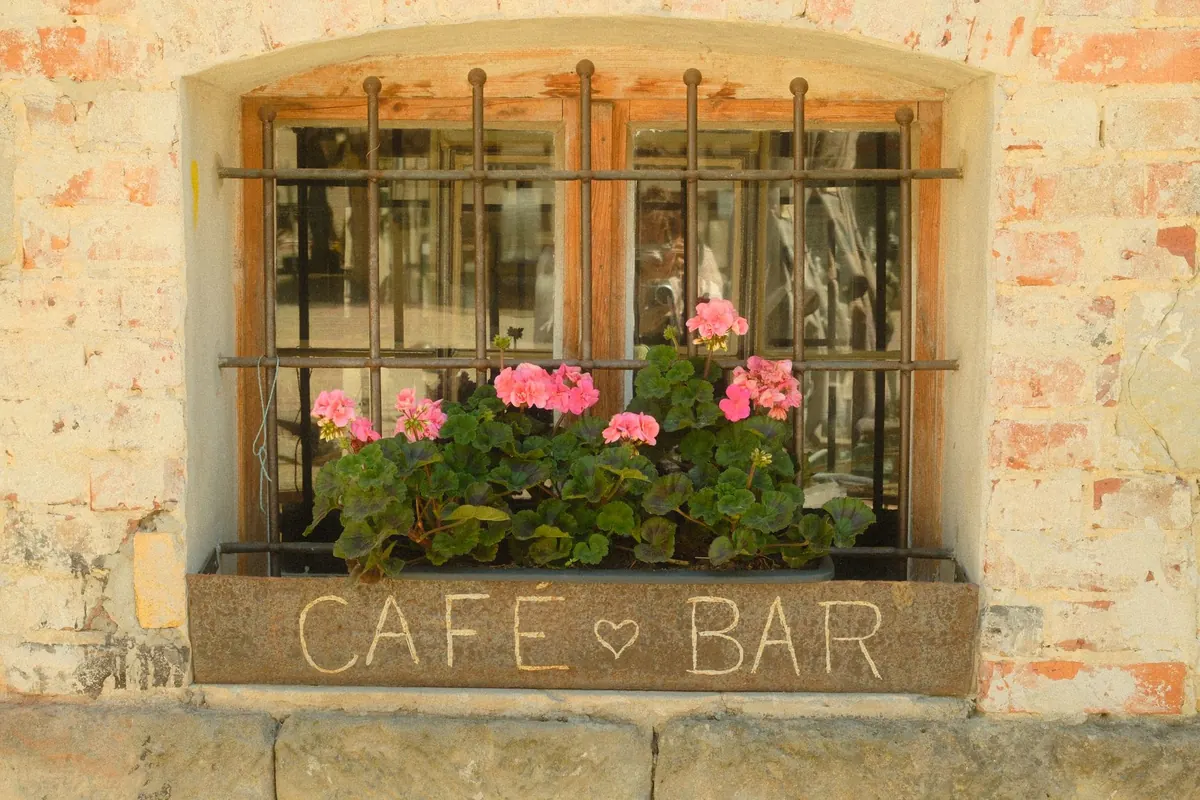
There is a bar in a town I have been visiting for eleven years where the espresso costs less if you drink it standing up, and where the woman behind the counter has stopped asking what I want. I know which table wobbles. I know that at half past eight the old men arrive and the room gets louder. None of this was visible on my first visit, when I stood on the pavement with a map folded the wrong way and ordered the wrong thing because I was too nervous to ask.
By any reasonable measure, that first trip was the better one. I saw more. I took more photographs. And yet I keep going back, and the returns have taught me more about the place than the first week ever did.
The First Visit Is a Checklist
First trips run on a different engine. You are working from a list, even if it only exists in your head: the viewpoint, the church, the thing everyone photographs, the meal you were told not to miss. You arrive with a schedule and a mild fear of wasting the journey. Attention is spread thin, because everything is equally new and nothing has been ranked yet.
So you remember the landmarks and forget the texture. You remember the cathedral and not the walk down the hill to it, the man selling figs from a crate, the smell of the street after rain. First impressions are loud precisely because they are shallow.
The Second Visit Is a Different Place
The second time, the map stays in the bag. You take the same route from the station without thinking about it, which frees a surprising amount of attention for everything else. You notice the square is empty at two in the afternoon and full at seven. You notice the bakery closes on Wednesdays. You notice a side street you must have walked past four times before.
This is not because the place changed. It is because you did. Familiarity is a filter that removes the obvious and lets the smaller things through. The third visit, the fifth, the tenth — each one hands you a slightly finer grain of detail, until the place stops being a set of sights and becomes a system of habits, timings and people.
Ritual Is Not the Same as Repetition
There is a difference between a ritual and a rut, and it is almost entirely a matter of attention.
A rut is repetition on autopilot: the same bar, the same order, the same walk, none of it actually seen. A ritual is repetition with your eyes open. You sit in the same chair, but you notice the light comes in at a different angle today, that the man at the corner table is reading a different paper, that the coffee tastes sharper because a new blend came in.
Rituals also do something practical. They take the decision-making out of the morning so something else can fill the space. When you are not spending energy choosing where to go, you can spend it looking. A trip built entirely on novelty burns through attention fast; a few fixed points — one coffee, one walk, one bench — give the rest of the day a spine.
What Familiarity Lets You Notice
Repeated visits do specific things that a first trip simply cannot:
- You learn the rhythm of the day. When the light hits the far wall, when the shutters come down, when the square fills and empties.
- You stop performing being a visitor. The camera stays in your pocket longer. You walk slower and look more.
- You give yourself permission to be bored. Boredom is where noticing begins. On a first trip there is no time for it; on a fifth there is nothing else to do.
- You see the ordinary machinery of a place. The hardware shop, the school run, the queue at the pharmacy. That is what a town actually is.
- You can compare. One day against another, February against July, this year against three years ago. Comparison is a form of knowledge.
- You get a second impression. And second impressions tend to be more honest than first ones — for the place and for you.
The Place Changes Too
It is tempting to treat a favourite place as a fixed backdrop, waiting patiently for you to return. It isn't. Owners change, shops close, a street gets repaved, a bar buys new chairs that are worse than the old ones. Coming back after several years can be a small lesson in mortality delivered by a bakery.
That can sting, especially if the memory you were carrying had been doing a lot of work for you. The honest response is to let the place have its own life. A town frozen for your benefit would be a museum, and you would not want to live in one.
Then there is the other direction of change, the one that is harder to admit. Often what shifted is not the square but the person standing in it. The bar you found romantic at twenty-five reads as expensive at forty. Returning well means being willing to notice that, too.
When Going Back Goes Wrong
There is a specific kind of disappointment that comes from trying to reproduce a good trip rather than visit a place. You book the same month, chase the same weather, hold the same table, and then wonder why the week feels like a photocopy of a photograph.
The fix is usually small. Go in a different season. Stay in a different neighbourhood. Arrive with a different purpose — to read for three days, to walk a route you have never taken, to eat breakfast somewhere other than the place you love. Change one variable and let the place surprise you again.
How to Return Well
A few things that have worked for me, and that you can copy:
- Keep one ritual, not five. One coffee, one bench, one walk. Leave the rest of the day open.
- Go off-season or midweek if you can. You see the place doing its ordinary work instead of its hosting work.
- Stay longer and do less. Three slow days beat one packed one if the goal is to notice anything at all.
- Write down three things you noticed last time. Check them when you arrive. You will be surprised which ones mattered.
- Learn one small thing properly. A street name, the correct order, where to stand. Small competence changes how a place treats you.
- Leave something undone. A museum, a hill, a dish. It gives the next return a reason that isn't nostalgia.
The places we keep going back to are rarely the ones that impressed us most. They are the ones that kept answering. The first visit asks, "What is this place?" The fifth asks a better question: "What is this place to me, and what am I when I am here?" That is not something you can settle in a week, which is why the ticket gets booked again.
Photo: Alyona Nagel / Pexels